Tresa Motors
Engineering Intern
Exposure to real product development inside India's electric-truck manufacturing, alongside engineers building production hardware.
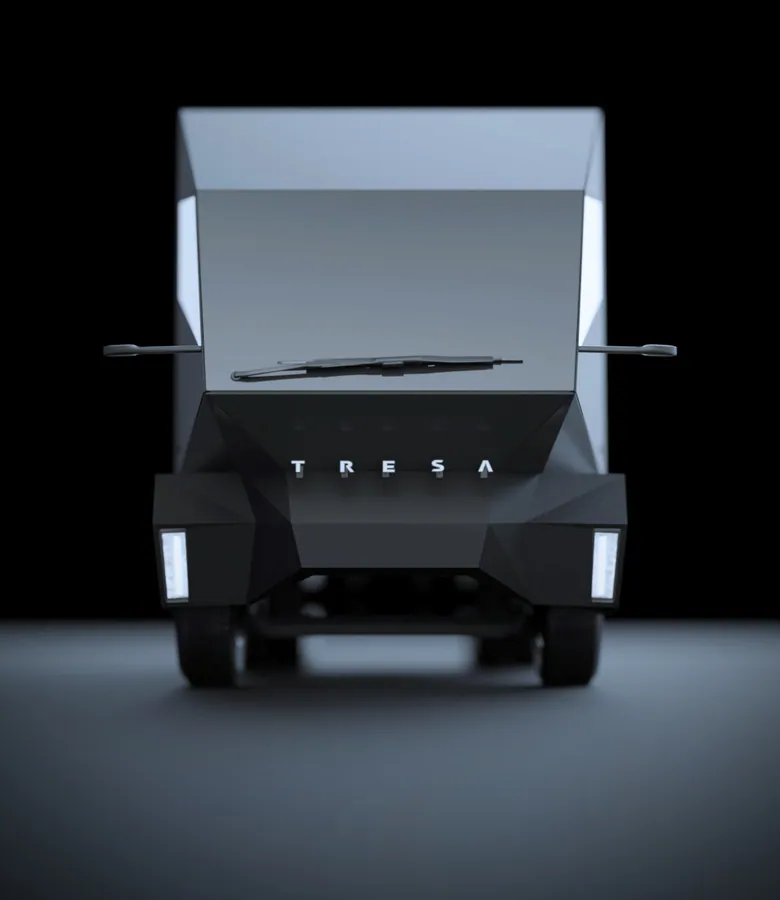
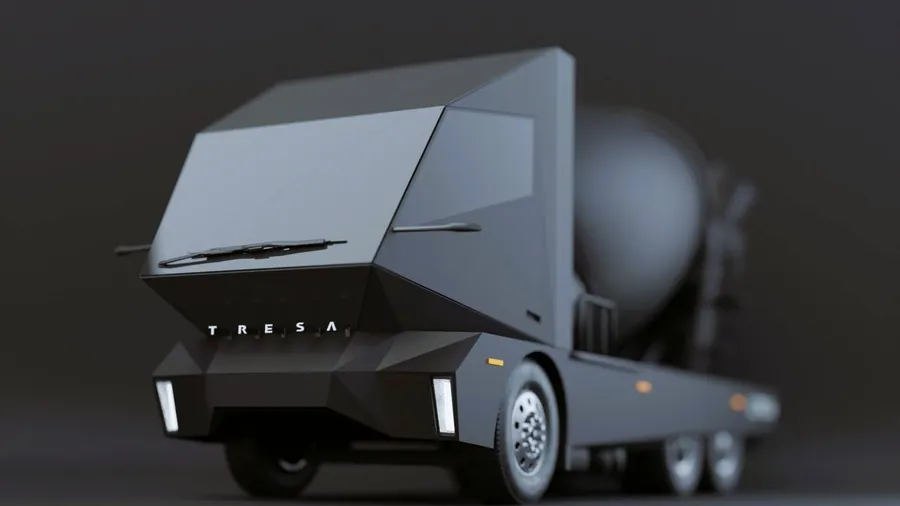
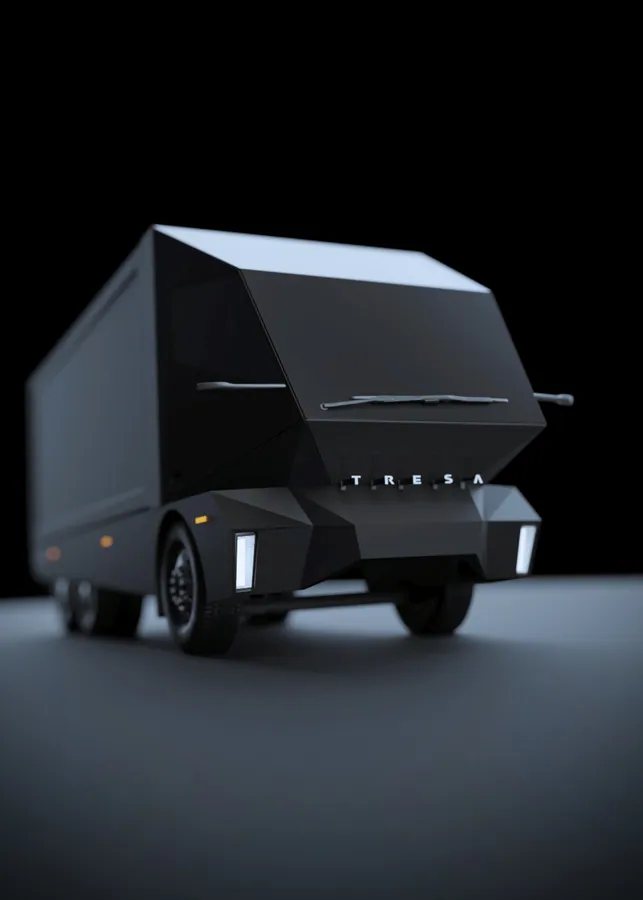
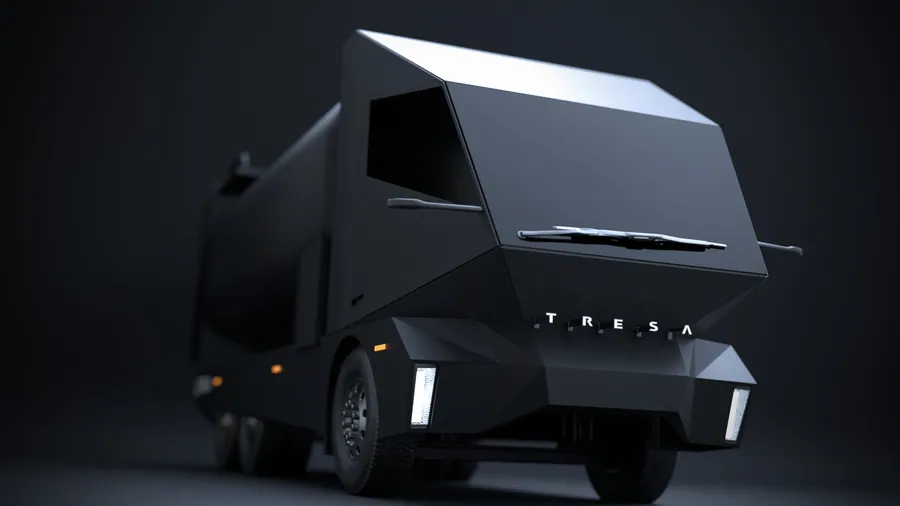
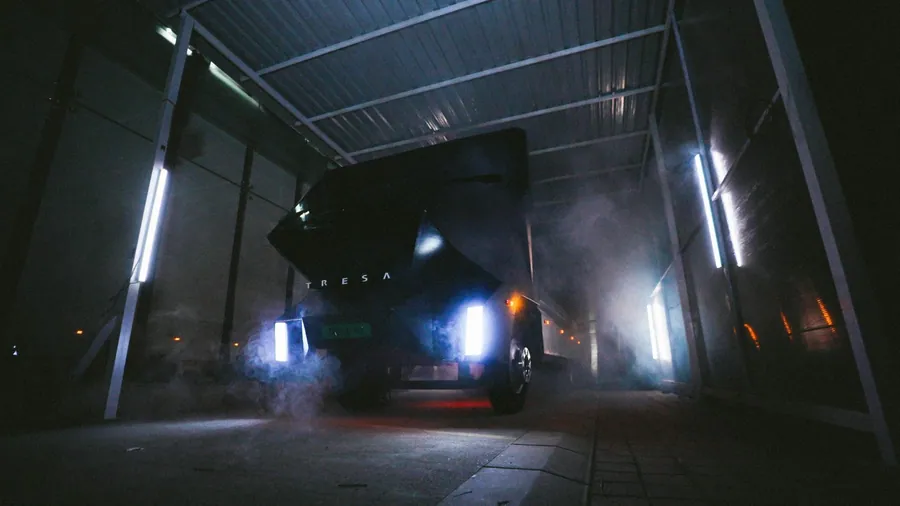
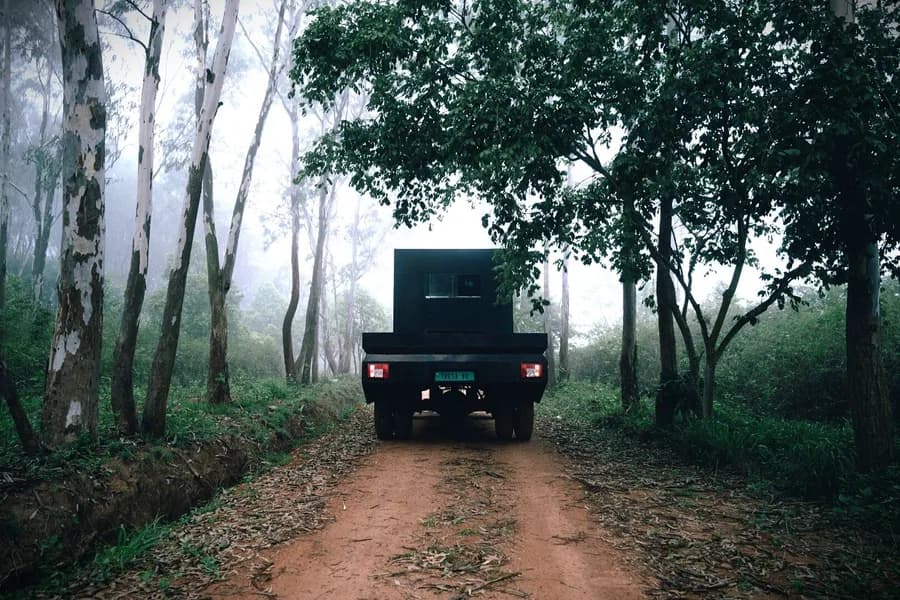
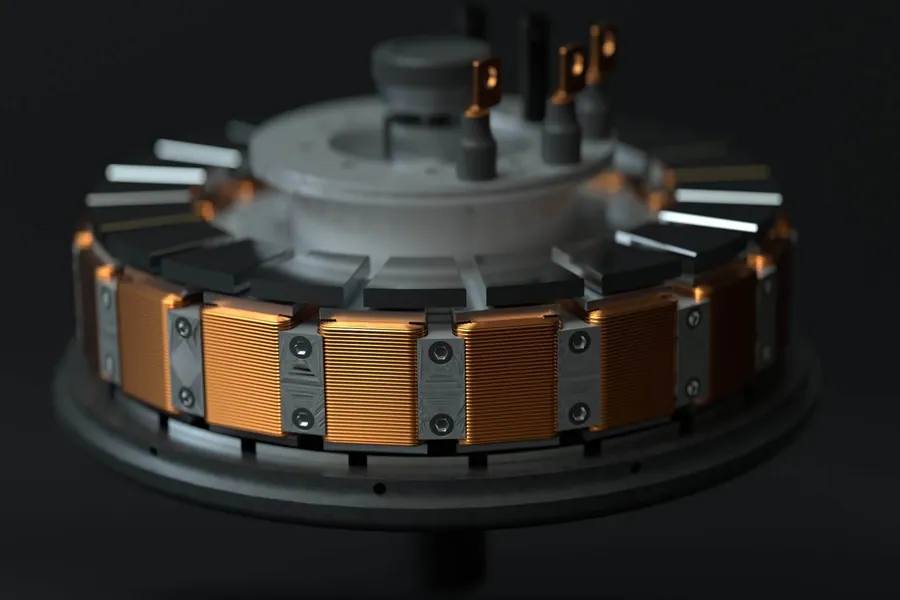
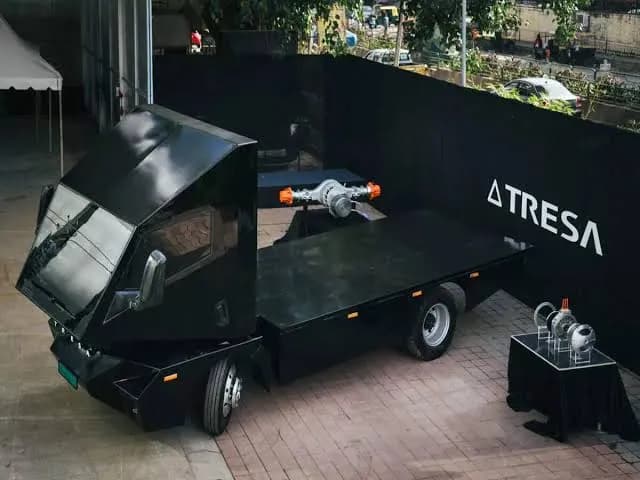
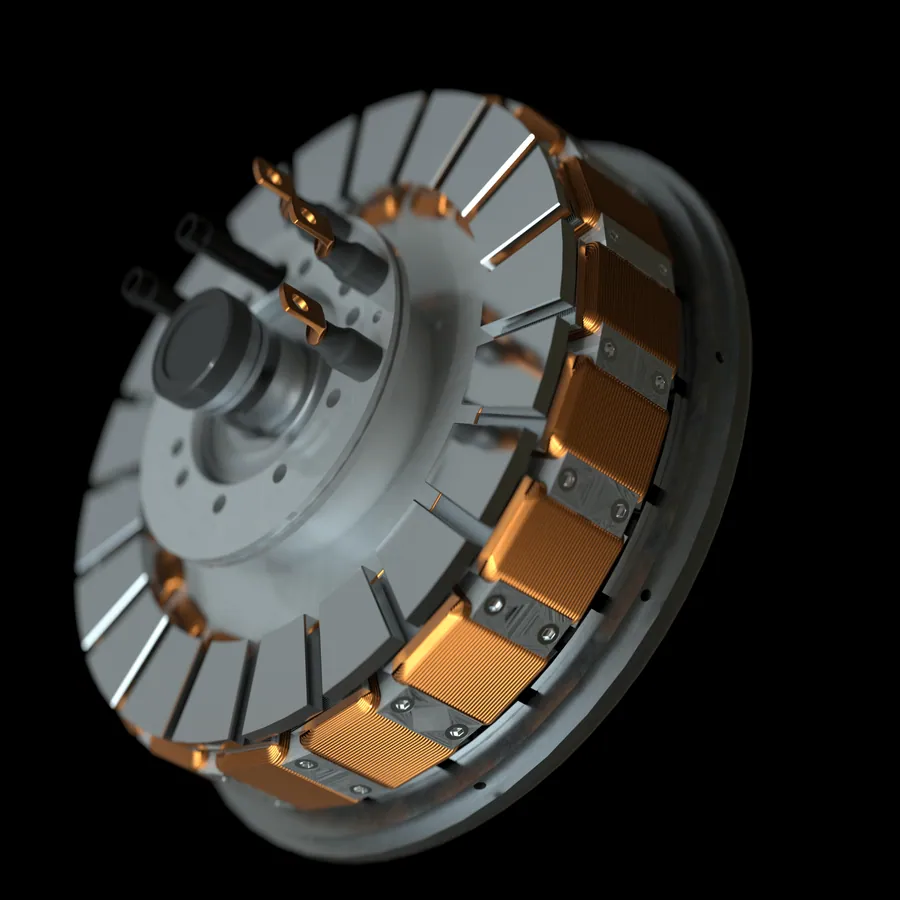
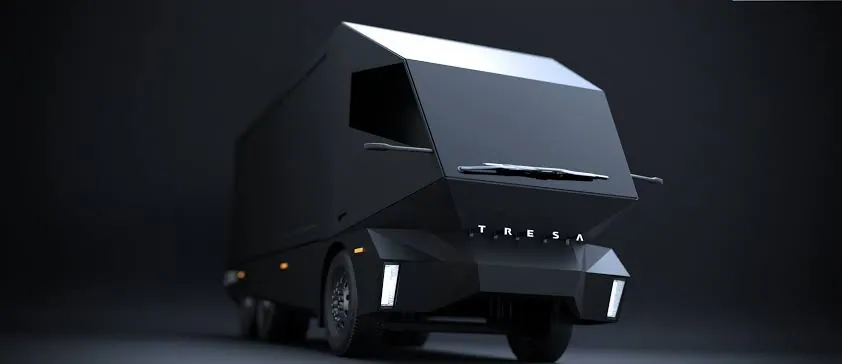
Photographs from the floor
What I Worked On
I sat close to the engineering team at Tresa Motors during a stretch of real product development on their electric trucks: manufacturing workflows, engineering documentation, and the day-to-day decisions that turn a design into a vehicle that ships. This wasn't a tour. It was exposure to how a hardware company actually operates when the deadline is a production line, not a demo.
What I Learned
The gap between a CAD model and a manufactured part is where most of the real engineering happens. Tolerances, supplier constraints, assembly order, cost, all of it pushes back on a design that looked finished on screen. I learned to see a drawing the way a manufacturing engineer sees it: not "is this correct" but "can this actually be made, repeatably, at the volume this business needs."
Insights
Automotive engineering runs on discipline more than genius. The best engineers I watched weren't chasing clever solutions; they were closing out constraints methodically, one at a time, until the design had nowhere left to be wrong. That's a different skill than the one design school or a hackathon teaches, and it's the one that actually ships vehicles.
Engineering Notes
Electric trucks compress a lot of hard problems into one platform: thermal management, battery packaging, drivetrain integration, and weight budgets that fight every other requirement. Watching how those trade-offs got resolved, not in theory but under a real production timeline, reframed how I think about constraints on my own projects. A constraint isn't a limitation on good design. It's most of what good design is.